
The Surging Popularity of Replicas Driven by Social Media
페이지 정보

본문
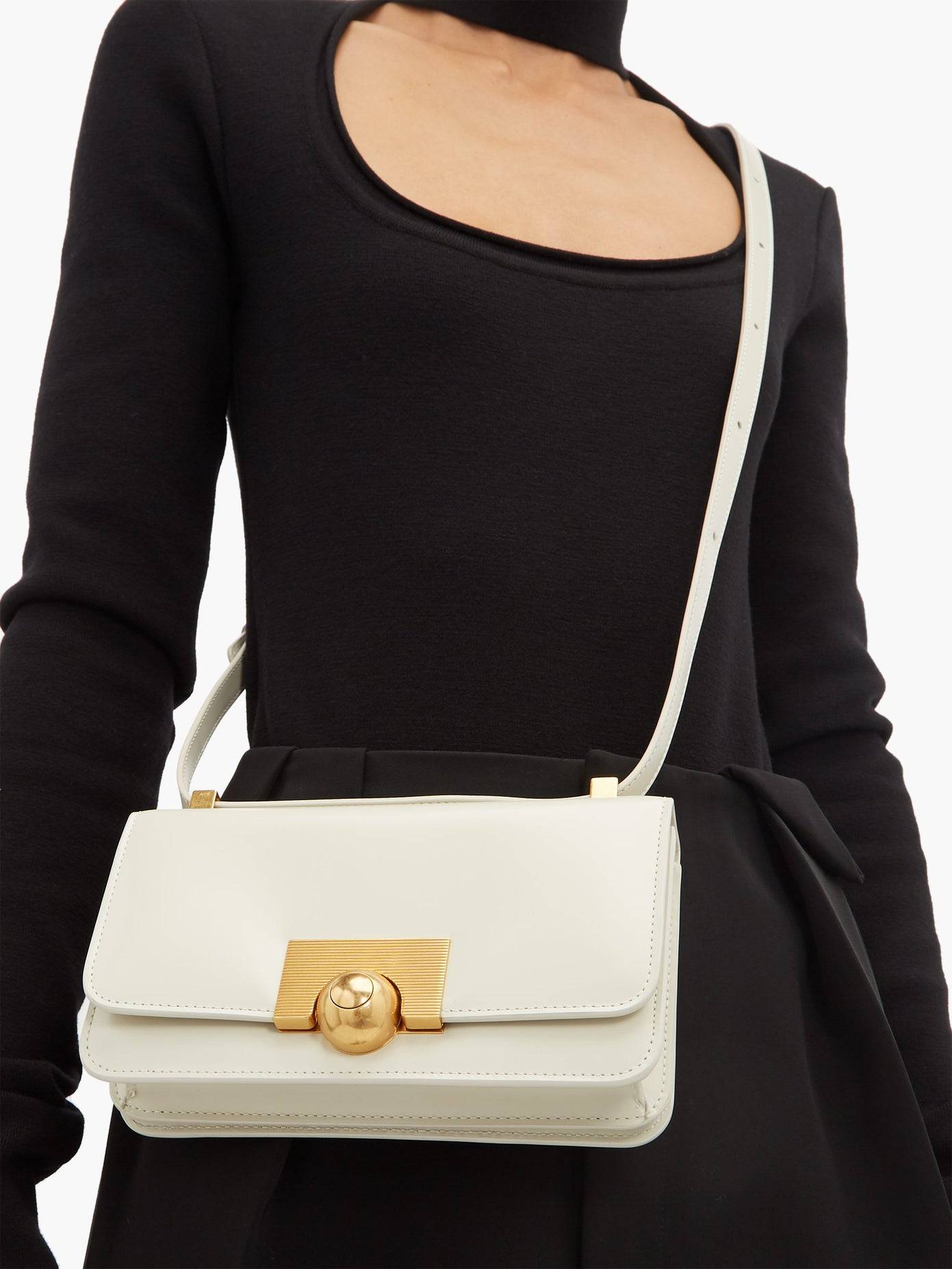
The rise of social platforms has fundamentally altered how consumers find and interact with style trends.
The market for imitation luxury goods has skyrocketed in recent years.
Instagram feeds and TikTok videos are flooded with affordable alternatives to luxury staples.
Many fakes are crafted with impressive attention to detail, fooling even seasoned shoppers.
For many, the appeal lies in looking affluent without spending a fortune.
Content creators serve as key drivers of the replica trend.
A common tactic includes styling replicas alongside real items to enhance credibility.
Their captions often highlight affordability, trendiness, and smart shopping.
Younger audiences see these posts as aspirational and relatable.
Because algorithms prioritize highly engaging content, posts about cheap alternatives gain far more reach.
Many sellers operate entirely outside traditional retail ecosystems.
Messaging apps like WhatsApp and Instagram DMs are now primary sales pipelines.
Every like reinforces the desire to buy; every share expands the audience.
A deeper cultural transformation is underway.
Social media glorifies creativity over brand loyalty.
The platform’s algorithmic praise for accessible fashion normalizes replica use.
Intellectual property violations are rampant and often unchallenged.
Quality control is inconsistent, and safety standards are frequently ignored.
Despite these risks, the allure remains powerful.
Future consumers may no longer care about provenance as long as the look is right.
Luxury labels need to move beyond exclusivity and embrace inclusive storytelling.
They must weigh aesthetic desire against ethical responsibility.
For now, 高仿Hermes Lindy 大象灰 social media remains the dominant force accelerating the global replica phenomenon
- 이전글The Dark Side of Gaming: Understanding Game Scams and Their Impact 26.04.14
- 다음글The Surging Popularity of Replicas Driven by Social Media 26.04.14
댓글목록
등록된 댓글이 없습니다.